
Game language guides
Video games by JLPT level
Most lists of games for learning Japanese are somebody's opinion about which games felt hard. These are measurements. We take a real screen from each game, run every word on it against the same JLPT wordlist our app uses, and publish what came back, including the words that fall outside the lists entirely.
Pick the band that matches where you are. Each game links to the full breakdown, screen by screen.
Every game we've scanned splits the same way
The interesting result isn't that some games are harder than others. It's that each one has two different difficulties inside it, and the gap between them is enormous.
Menus, item screens and system text land between N4 and N2. Story and flavour text land on N1 in every single game we've measured, without exception. A game whose menus you can read comfortably will still hand you lore written well above your level ten minutes later.
That's worth knowing before you pick, because it changes what "can I play this?" means. You can navigate almost any of these games far earlier than you can read their writing. The menus are what you'll learn first, they're what repeats, and they're the part that stops needing help within a few weeks. The story is the long climb.
All measured games at a glance
| Game | Menus | Story | Words scanned | Screen |
|---|---|---|---|---|
| Monster Hunter Wilds | N3 | N1 | 50 | a capture-quest information screen |
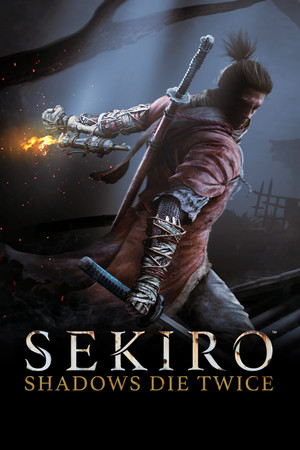
| Sekiro: Shadows Die Twice | N2 | N1 | 88 | its item and skill menus |
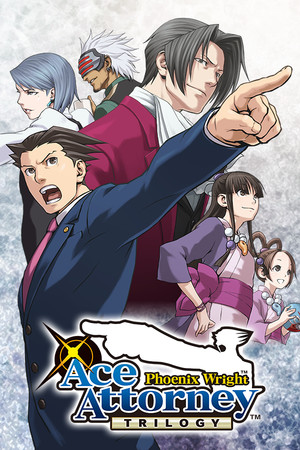
| Phoenix Wright: Ace Attorney | N4 | N1 | 35 | its evidence file (証拠品ファイル) |
| Elden Ring | N3 | N1+ | 147 | its inventory item screens and menus |
| Devil May Cry 5 | N3 | N1 | 52 | its skill-shop and customize menus |
| Uma Musume Pretty Derby | N3 | N1 | 125 | one real play session |
The words themselves, grouped by level across all games, are on Japanese game vocabulary by JLPT level. This page is about which game; that page is about which words.
N4 menus — the shallowest end
Roughly the vocabulary of a first textbook year. You can move through the game's systems without looking much up, which means the reading you do is mostly the story rather than the interface. If you have kana and a few hundred words, this is where to start.
N3 menus — the usual case
Most games land here. The interface is readable once you've met a few hundred recurring words, and those words repeat so relentlessly across a playthrough that they stick without study. This is the band where a screen reader earns its keep: you get through the menus on your own within a couple of weeks and lean on it for the story instead.
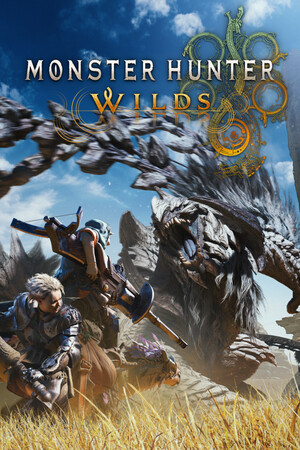
Monster Hunter Wilds
モンスターハンターワイルズ
Menus sit around N3, but the quest letters hide N1 bureaucrat words like 当該 and 保全 — and one word decides whether you pass or fail.
The word that catches people: 捕獲 (ほかく) — capture — take it alive
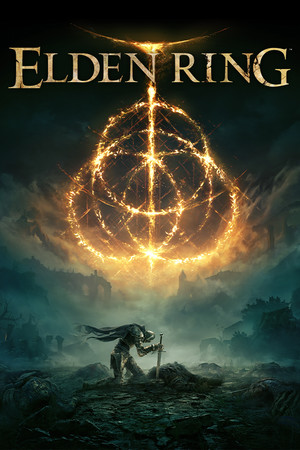
Elden Ring
エルデンリング
The biggest scan yet — 147 words, and more than half land on N1 or off the JLPT lists entirely. Menus are honest N3, but the item lore is sword-smith Japanese (刃文, 緋雫), and one line of fine print quietly spends your healing flasks.
The word that catches people: 緋雫 (ひしずく / ひだ) — crimson tear — the Flask of Crimson Tears, your healing flask
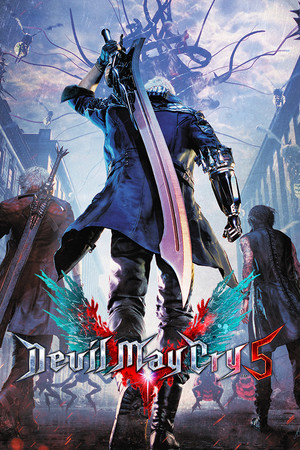
Devil May Cry 5
デビル メイ クライ 5
Every tab is in English — SKILLS, DEVIL BREAKERS, CUSTOMIZE — but the moment you highlight anything, the game switches to Japanese to tell you what happens if you press the button, and what it costs.
The word that catches people: 習得 (しゅうとく) — acquire — the button under every skill you highlight
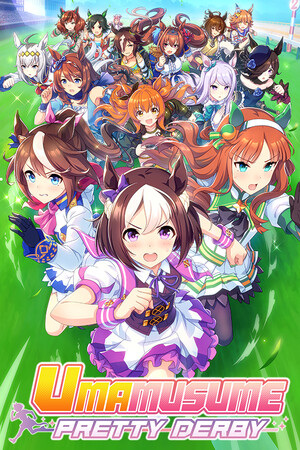
Uma Musume Pretty Derby
ウマ娘 プリティーダービー
A raising sim of dense Japanese — training events, skills and stories — where the same words repeat until they stick. Menus read around N3; the stories climb to N1 and beyond.
The word that catches people: 因子 (いんし) — factor — the inherited stat/skill genes
N2 menus — kanji-dense interfaces
Menus written in compound kanji with almost no loanwords to fall back on. Playable earlier than the level suggests, because combat carries you and you can guess from icons, but you will be reading rather than skimming.
Which games are best for learning Japanese?
It depends less on the game than on whether you'll finish it. A game you're excited about at N2 difficulty beats a "good for learners" game you abandon in week two, because volume is what builds a language and only motivation produces volume.
Past that, two things genuinely help. Text that sits still and waits for you, which rules out most fast action games regardless of their vocabulary. And a game you've already played in English, because knowing the story frees your whole attention for the words.
What the measurements are for is the third question: whether the game sits close enough above your level to stretch you rather than drown you. That's the one you can't answer by feel, and it's the one nobody else publishes numbers for.
Why the story is always N1
Game writing reaches for register. Lore is archaic, villains are florid, item descriptions are compressed to fit a box, and invented terms are built out of kanji that no wordlist contains. Our scans count those as beyond JLPT rather than quietly dropping them, which is why the story numbers look forbidding even in games with friendly menus.
This isn't a reason to avoid story-heavy games. It's a reason to stop treating "I can't read the lore yet" as failure. The menus are the part that responds to a few weeks of play. The writing responds to months, and it responds faster once the menus stop taking your attention.
If you want the method rather than the measurements, how to learn Japanese with video games covers picking a game, what to save, and what to do when a translation is wrong.
Games with no English at all
A different problem from difficulty. These ship without English in their current build, so reading them isn't a choice you make for practice — it's the only way to play them. Each guide covers what's in the box and how to read the live version as you go. For the wider picture, recent Japanese games with and without an English version lists what Steam's language data says about this season's releases.
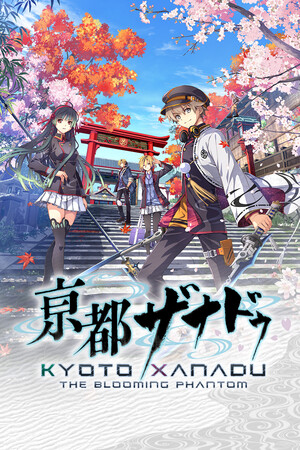
Kyoto Xanadu: the Blooming Phantom
亰都ザナドゥ -桜花幻舞-
Falcom's new action-RPG shipped in Japanese, Chinese and Korean — no English at launch. Read its dense Kyoto-fantasy Japanese live instead of waiting for a localization that may never come.
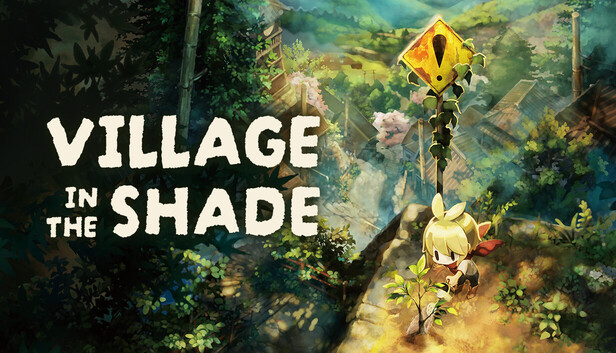
Village in the Shade
ほの暮しの庭
NIS's eerie farming-village sim launched in Japanese first — the official English edition lands October 27. Two months early, or a Japanese-reading playthrough that outlasts the wait: either way, here's what you'd be reading.
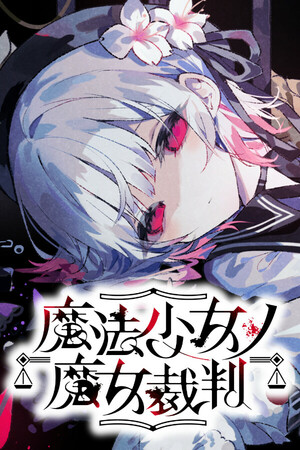
Magical Girl Witch Trials
魔法少女ノ魔女裁判
A gothic deduction visual novel — thirteen girls, an island prison, a witch to vote out. It ships only in Japanese and Simplified Chinese, and it's all reading. Playto shows what the testimony means so you can follow the mystery.
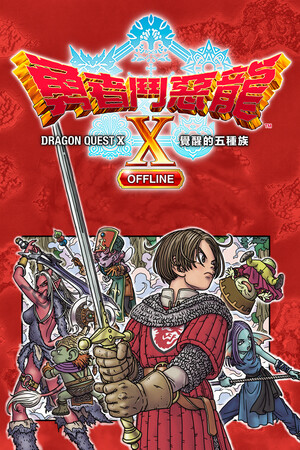
Dragon Quest X Offline
ドラゴンクエストX 目覚めし五つの種族 オフライン
The one mainline Dragon Quest that never came west — a 2022 single-player remake of the MMO, in Japanese, Chinese and Korean only. Its dialogue ships with furigana over every kanji, which makes it unusually kind material to read as you play.
Games people are playing with Playto
Titles where players who opted into anonymous statistics saved or looked up words, with the language pairs they read in. No counts, no rankings: a title is listed once it has been seen at all, so this is a map of what works, not a popularity chart. Titles with a dedicated page link to it.
Updated monthly from aggregated, opt-in data. Publishers who want a title removed can use the contact in the privacy policy.
- 007 First Light English → Romanian
- [HERROR] Gas Station Case English → Italian
- Agefield High: Rock the School English → Japanese
- AION 2 English → Polish
- Anomaly Company English → Russian
- Another Brick in The Mall Korean → German
- Arknights: Endfield English → Vietnamese
- As Dusk Falls English → Russian
- ASTLIBRA Revision Japanese → Chinese
- Atelier Resleriana Japanese → Vietnamese
- Atelier Resleriana: The Red Alchemist & the White Guardian Japanese → Vietnamese
- Avadon 3: The Warborn English → German
- Baldr Sky English → Japanese
- Barbarian English → Russian
- Battlefield 6 English → Russian
- Bellwright English → French
- Bewitching Sinners Demo English → Japanese
- Bills Must Be Paid English → Turkish
- Black Desert English → Romanian
- Blasphemous 2 Korean → English
- Bodycam English → French
- Bound by Love English → Japanese
- Brave Escape English → French
- Brotato English → Polish
- Call of Duty: Black Ops III English → Turkish
- Carrier Command English → French
- Casualties: Unknown Demo English → Japanese
- Cee One Vee English → Turkish
- Celestia: Chain of Fate English → Japanese
- CHRONO TRIGGER Japanese → English
- Cities: Skylines II English → Turkish
- Closer than Allowed: After the Bell English → Russian
- Cold Waters English → Polish
- Combolands: Roguelike Citybuilder English → Chinese (Traditional)
- Conan Exiles Enhanced English → Russian
- Coquette Dragoon: Volume One English → French
- Corpse Party (2021) English → French
- Creature Lab English → French
- Crossfire: Sierra Squad Chinese → Korean
- Danganronpa Another Episode: Ultra Despair Girls English → Russian
- DATE A LIVE: Ren Dystopia Japanese → German · Chinese → German
- Date Everything! English → Portuguese
- DAVE THE DIVER Korean → English
- Deponia Doomsday English → Japanese
- Dishonored French → English
- Dolphin Up English → Japanese
- Dominions 6 - Rise of the Pantokrator English → Korean
- Dream about yoU English → Korean
- Dyson Sphere Program English → Russian
- Escape from Tarkov Russian → Portuguese
- Esoteric Ebb English → French
- Fate/EXTELLA English → Portuguese
- Fate/EXTELLA LINK English → Portuguese
- FINAL FANTASY II Korean → English
- Floor Plan 2 VR Swedish → Russian
- Fofumia English → Russian
- Geo-Political Simulator 2026 Edition English → Russian
- Goblin Camp English → Italian
- Granblue Fantasy: Relink English → Russian
- Grand Theft Auto V Enhanced English → Dutch
- Grey Hack English → French
- Guild Wars 2 English → Polish · English → Russian
- Halo: The Master Chief Collection English → Chinese
- Hearts of Iron IV Russian → French
- HighFleet English → Japanese
- Homeworld 3 English → Czech
- Inscryption Japanese → English
- inZOI Japanese → English
- Javols VR Japanese → English
- JK Girl Samurai - AOI no mon Russian → Polish
- Kendo Warrior English → Vietnamese
- KINGDOM HEARTS -HD 1.5+2.5 ReMIX- English → Portuguese · English → Chinese (Traditional) · Japanese → Korean
- Legends of Starkadia English → Japanese
- LEGO The Hobbit English → Japanese
- Life is Strange 2 English → Chinese
- Lou's Lagoon Spanish → German
- Mad Father English → German
- Mafia: Definitive Edition English → Greek
- Magical Girl Witch Trials Japanese → Spanish
- Memories Off Sousou ~Not always true~ Japanese → Russian
- METAL GEAR SOLID V: THE PHANTOM PAIN English → Polish
- Moomintroll: Winter's Warmth Swedish → English
- Moonlight Peaks English → Spanish
- Morimens Japanese → Korean
- Muv-Luv Japanese → English
- My Time at Sandrock English → Polish
- NBA 2K27 English → Russian
- NEKOPARA Vol. 1 English → Japanese
- NICE TO MEET YOU, AGAIN English → Russian
- No Mercy English → French
- No, I'm not a Human English → Romanian
- NTE: Neverness to Everness Chinese → Japanese
- OMORI English → Japanese
- On Hold - Call Center Simulator English → French
- OPERATOR German → English · English → German · English → French · English → Polish
- Orwell: Ignorance is Strength English → German
- Orwell: Keeping an Eye On You English → German
- Out of the Park Baseball 26 English → Japanese
- Paranoia: Deliver Me Japanese → German
- Path of Exile 2 English → Polish
- Pax Autocratica English → Japanese
- Persona 5 Royal English → Polish
- Plague Inc: Evolved English → Czech
- Ragnarok: The New World English → German
- Red Dead Redemption 2 English → Romanian
- Roadwarden English → Chinese (Traditional)
- ROTA: Bend Gravity English → Japanese
- Rune Factory: Guardians of Azuma English → Italian
- Schedule I English → Japanese · English → Portuguese
- Sekiro: Shadows Die Twice - GOTY Edition English → Italian · Japanese → English
- SGS Okinawa Japanese → English
- Shelves and Sorcery: Tidy Up the Enchanted Shop Demo English → Japanese
- Silly Polly Beast English → Portuguese
- Soul Land: Awakening World English → Japanese
- Sovereign Tower Demo English → Spanish · English → Italian
- Spirit City: Lofi Sessions English → Japanese
- STAR WARS Zero Company English → Russian · Japanese → German
- STAR WARS: The Old Republic English → Japanese
- Starbound English → Japanese
- Stellar Blade English → Japanese
- Stuck In Time English → French
- SurrounDead English → Chinese
- Survival Log English → Japanese
- Swan Song English → Japanese
- Tabletop Simulator English → Russian
- Tested on Humans: Escape Room English → French
- The Afterglow of Grisaia Japanese → German · Japanese → English
- the cabin game English → Russian
- The Dungeon Of Naheulbeuk: The Amulet Of Chaos English → Polish
- The Elder Scrolls V: Skyrim Special Edition English → Russian · Russian → French
- The Elder Scrolls: Arena English → Japanese
- The House in Fata Morgana Korean → English
- The Isle English → Vietnamese
- The Necromancer's Tale English → French
- The Scroll of Taiwu : Beyond The Dome Chinese → Japanese · Chinese (Simplified) → Japanese
- The Witch's House MV English → Chinese
- Throne and Liberty English → Hungarian · English → Polish
- Tiny Tina's Wonderlands English → Polish
- Tomb Raider Game of the Year German → Russian
- TOUCHSTARVED Demo English → Chinese
- Trade Bots: A Technical Analysis Simulation Demo English → French
- Trade Bots: A Technical Analysis Simulation Demo English → French
- Travellers Rest English → Romanian · Romanian → English
- TROUBLESHOOTER: Abandoned Children English → French
- Until Then English → Polish
- Urban Strife English → Czech
- Vanguard Galaxy English → Turkish
- Victoria 3 English → German
- Vivaldia 2 Japanese → English
- VRChat English → Russian
- WAKFU English → Korean
- Wartales English → Japanese
- Where Time Stood Still English → French
- Where Winds Meet English → Polish
- Wildermyth English → Polish
- Wow Dance English → Polish · English → Russian
- WuLin Showdown Chinese (Simplified) → Japanese
- Wuthering Waves English → Russian
- 万象群侠传 Chinese → Japanese · Chinese (Simplified) → Japanese
- 愚人船 NARRENSCHIFF English → Japanese
- 轮回修仙传 Chinese (Simplified) → Japanese
- 长生立志传 Demo Chinese → Japanese · Chinese (Simplified) → Japanese
How the measurements are made
Each game gets a real screen captured during play, not a store screenshot or a promotional shot. Every word on it is matched against the same JLPT wordlist Playto uses in the app, and the result is reported as a distribution rather than a single verdict, so you can see how much of a screen sits at each level.
Kanji compounds that fall outside the JLPT lists are counted as beyond JLPT instead of being dropped, and katakana runs are counted separately because they're largely free if you read English. Both of those choices make the numbers look worse than a generous method would. That's deliberate: a number you can trust to be pessimistic is more useful than one you have to discount.
Sample sizes are printed on each card, because a 35-word evidence file and a 147-word inventory screen aren't the same kind of evidence. More games are added as they're scanned.
Common questions
What level of Japanese do I need to play video games?
It depends on which part of the game you mean. In every game measured here, menus and item screens sit between N4 and N2, while story and flavour text sit at N1. You can navigate most games around N3 and start reading the story much later, and screen translation covers the gap in between.
Which video games are good for JLPT N5 or N4 learners?
Games whose menus measure N4 are the shallowest end here: conversational dialogue and simple system text, with the story still at N1. There is no game where the writing itself is N5, so an N5 learner is reading with help and learning from the menus and repeated words first.
How are these JLPT levels measured?
A real screen from each game is scanned and every word on it is checked against the JLPT wordlists Playto uses in the app. The histogram on each game page shows how many words fell at each level, which screen was scanned, and the words that fall outside the lists.
Do Japanese games have furigana?
Some do, mostly titles aimed at younger players, and it is usually an option rather than the default. None of the games measured here rely on it. Playto shows furigana on the words you look up instead, so the game itself does not need to.
Read any of them as you play
Playto reads your game screen in real time, shows what the text means in place, and keeps the words you meet so they turn into review later. There's a free version on Steam.